Getting married in Sicily
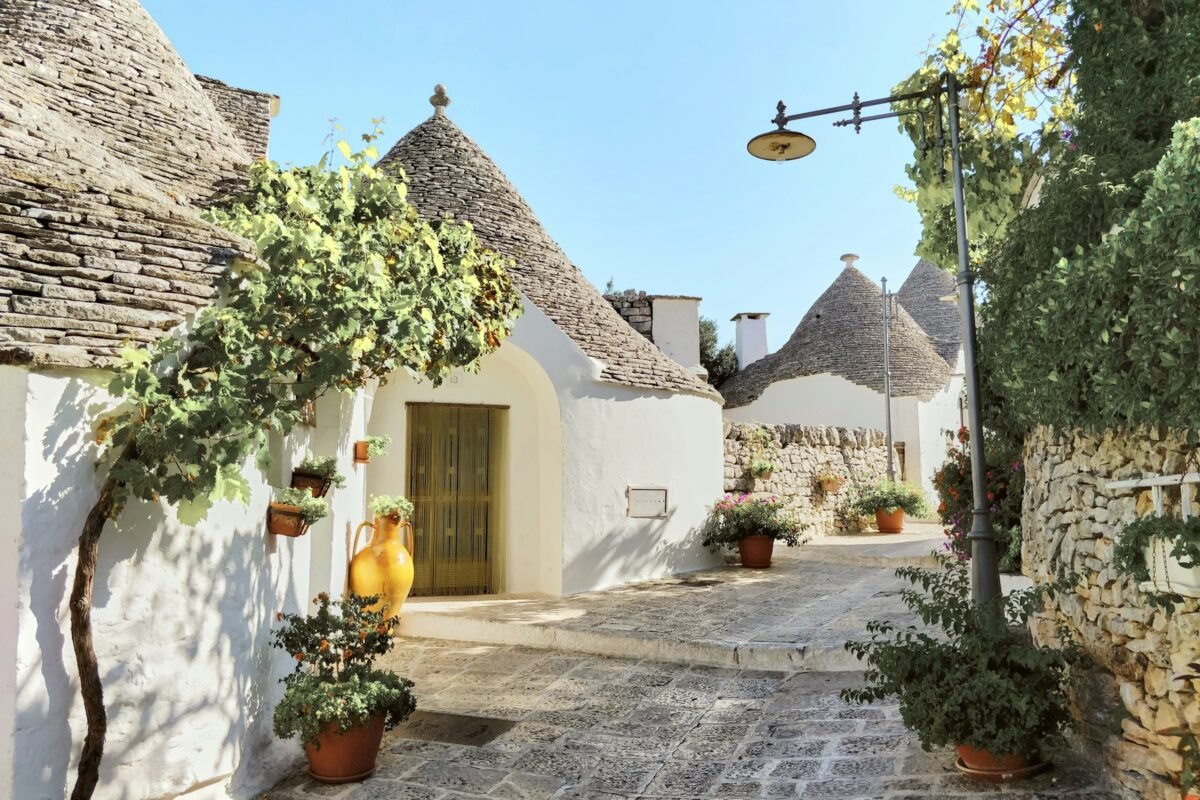
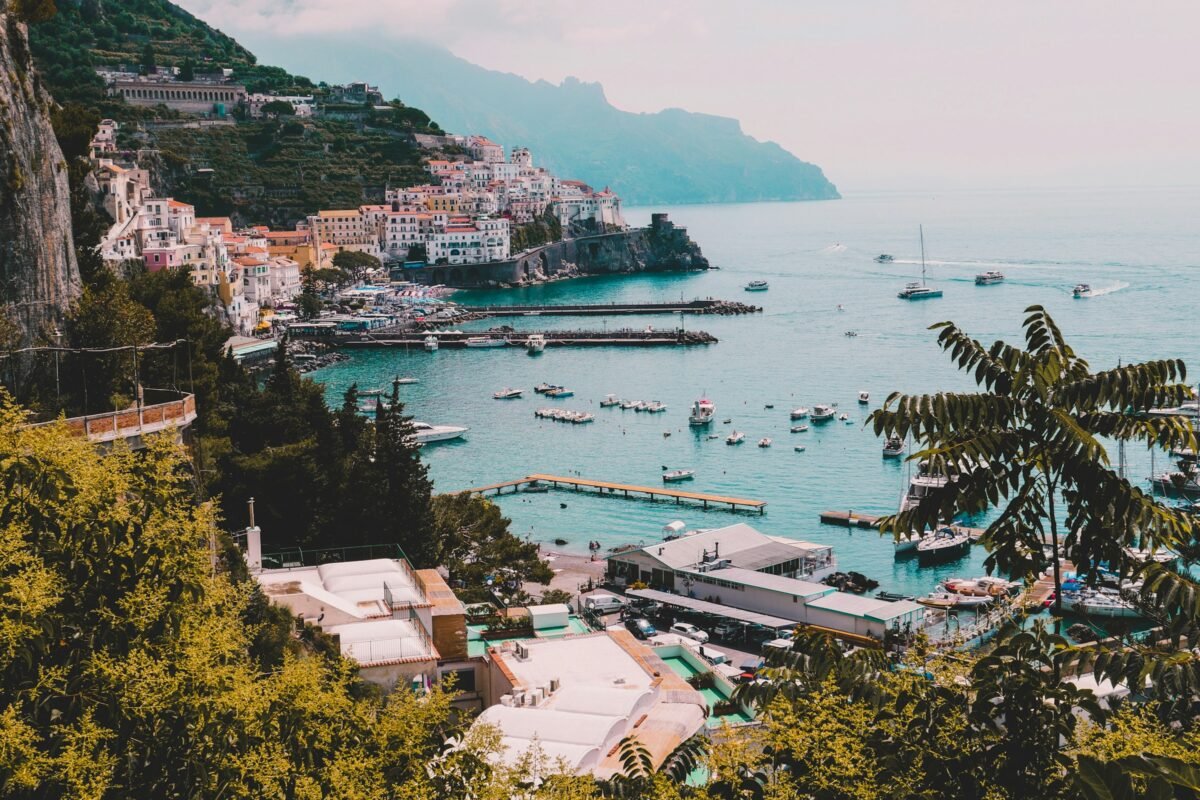
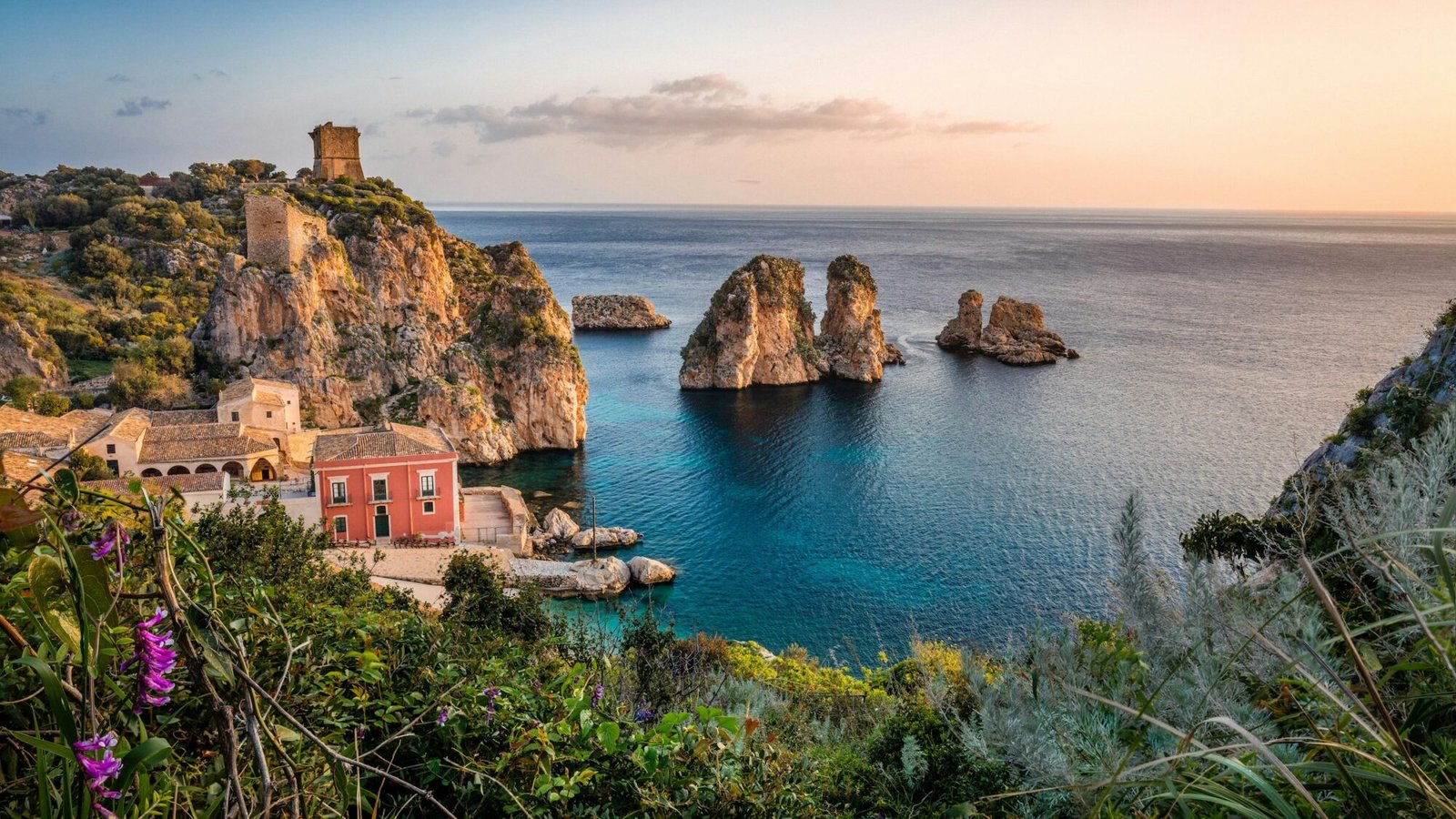
Where I'm from and where I know every road, every town hall and most of the people who make weddings happen. The largest island in the Mediterranean, with Greek temples, baroque towns, working farms and a coastline that changes character every thirty kilometres.
Why here
Sicily gives you scale that mainland Italy rarely offers at the same price. The same budget buys a whole palazzo courtyard here, a portion of a Tuscan villa there — and the island is large enough that your wedding won't be the third one that venue hosts that week. It also gives your guests a reason to stay. Very few people fly to Sicily for two nights. They arrive early or leave late, and the wedding becomes the middle of their holiday rather than the whole reason for the trip. The food is the part I'd underline. Sicilian catering at a good venue is better than what most couples expect from a wedding anywhere, and it costs less than it would three hundred kilometres north.
Where you'd marry
When to come
May, June and September are the months I'd choose. Long light evenings, warm days, and everything still green before the summer burns it. These are also the months everyone else wants, so venues go twelve to eighteen months ahead. October is underrated: warm afternoons, cool evenings, half the crowds and noticeably lower prices. The trade-off is daylight — the sun sets around half past six, so the ceremony starts earlier and the evening happens under lights. August I'd talk you out of. High thirties inland, the coast at its most crowded and expensive, and half the suppliers away or overbooked. If August is your only option we plan around it: an evening ceremony, a venue near the water, and a day that begins as the sun goes down.
Your guests, the rest of the time
Most guests turn a Sicilian wedding into a week. Taormina and the east for Etna and the Greek theatre, the Val di Noto for the baroque towns, Palermo for markets and street food, the Aeolian islands for anyone who wants to disappear for two days afterwards. What I arrange is the practical layer: room blocks at two or three price levels near the venue, airport transfers on the days people actually arrive, and one thing organised for the day before — usually a dinner, sometimes a boat — so nobody spends their first evening alone in a hotel.
Paperwork here
Civil ceremonies are held in town halls and in a number of approved venues, and the list of approved venues differs from one comune to the next. It's the first thing I check when we shortlist places, because a venue that can't host the legal ceremony changes the shape of the whole day. For foreign couples the timeline depends on nationality and on where you live, not on Sicily specifically. I tell you which documents you each need and when to start, and I handle the town hall, the appointments and the translations.
What it costs here
For a hundred guests at a good venue, most weddings I plan here land somewhere between forty and eighty thousand euros in total, excluding my fee. Catering is usually around forty per cent of that. Below that range is entirely possible with a smaller guest list or a simpler venue. Above it usually means a wedding across several days, a venue taken exclusively, or a great deal built rather than hired.
Simona's note
I grew up here, so I'll be honest about the parts that aren't in the photographs: the roads take longer than the map says, August is genuinely difficult, and the most beautiful venues are often the ones with the least infrastructure. All of that is manageable — it just has to be known in advance rather than discovered.
Weddings I've built, here and elsewhere.
See real weddings